Posted In: About Us by
Alex Moore,
June 26, 2026
By Alex Moore, Director
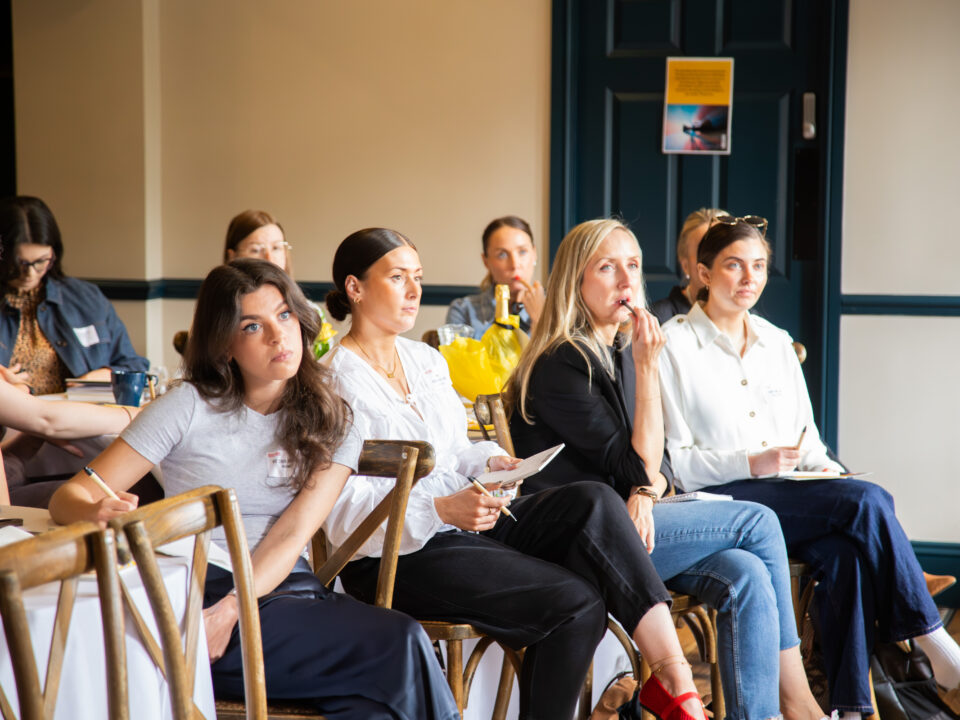
Last week, we hosted our 5th Home & Garden Marketing Conference 2026. It was the biggest, and best yet (and also my first one so I’m allowed to say that).
In case you missed it, we brought together speakers, panelists, keynotes, debate, and guests from across the UK’s home and garden landscape and I wanted to touch on some of the key themes that stood out from the day.
There was so much to digest, some of it reassuring regarding the market, some of it a little uncomfortable about the future, but most of it pointed in the same direction: the category still has loads of opportunity, but the way people discover, trust and choose brands is totally shifting.
Consumers are more cautious, AI is compressing those journeys and performance metrics are under more pressure. Big-ticket projects need more confidence and more guarantees than they used to. And yet, people still care deeply about their homes, which we know won’t change.
The biggest challenge for Home & Garden brands in (and outside) the room is not simply getting in front of people but becoming the brand they trust, remember and crucially choose when the moment comes.
Let’s start with the obvious: Simon’s state of the nation intro made it clear – the backdrop is not easy.
Consumers are thinking harder about spend. Confidence is patchy. Bigger decisions are taking longer. In a category where purchases are often emotional and expensive, caution is only natural.
But demand hasn’t disappeared. People are still improving their homes. Still browsing. Still planning. Still pinning inspiration. Still sending Instagram ads to their other halves, dreaming of that new kitchen, or garden set that will add some more pride to their home.
The difference is that they need more to act. Brands need to work harder to reduce doubt, and build more proof and confidence. Clarity around value, quality, service, delivery, installation and longevity.
In other words, marketing has to do more than create desire. It has to make the decision feel easier, and obvious.
There is a lot of noise around AI. Plenty useful, more than plenty useless.
But one point from the day really landed from Ant Kenny: AI is not just another channel. It is becoming a filter between people and choice, which changes things.
In the traditional journey, a customer might search, browse, compare, validate and choose. In an AI-shaped journey, that gets compressed. The customer asks. The system surfaces a shortlist. The market narrows before many brands even get seen.
So the question changes.
It is no longer just: “How do we appear?”
It becomes: “Why would we be chosen?”
That is a brand question.
AI systems will look for signals; credibility, familiarity, reviews, mentions, positioning, useful content… Evidence that other people, platforms and publishers understand and trust you.
Yes, the technical basics matter. SEO, content structure, product data, schema, site speed, all of it. But they only get you a foot in the door, brand helps you stay there (and thrive).
This is where reputation becomes commercially interesting.
Reach is easy to report. Big numbers look nice. But reach without trust is just noise.
What matters is whether your brand is being talked about in the right places, by the right people, in the right way.
That matters in Home & Garden because buyers are often managing risk. Will this product look right? Will it last? Can I trust the brand? What do other people say? Is this really worth the money?
Those questions are not answered by one ad.
They are answered by a body of evidence.
PR, reviews, expert commentary, creator partnerships, media coverage, customer stories and community conversation all help build that evidence. Not as fluffy brand activity. As part of the trust ecosystem that makes a customer more likely to choose you.
It is not just what you say about yourself.
It is what the market says around you.
No one wakes up and buys a sofa, fitted wardrobe, garden room or kitchen after one neat interaction.
Home and garden journeys are long, emotional and a bit chaotic. People browse on Pinterest. Ask friends. Save posts. Read reviews. Search later. Forget about it. Come back again. Compare prices. Look for reassurance. Wait for the right moment.
So why do we keep pretending the funnel is tidy?
The best brands will build connected journeys that reflect how people actually behave.
Paid social can create desire. Search can capture intent. PR can build trust. Pinterest can help people shape ideas. Email can nurture. Broader media can build fame and familiarity.
The point is not choosing one channel and hoping it does everything.
The point is making the whole system work harder together.
Measurement was a big theme across the day, and rightly so.
Budgets are under pressure and marketing teams are being asked to prove return. Short-term metrics are easier to see, easier to explain and easier to defend.
But if we only measure the final click, we miss everything that made the customer choose us in the first place.
Home and garden brands need to measure the road to sales, not just the sale.
That means tracking awareness, consideration, preference, sentiment, branded demand, creative response, recognisability and trust. Not instead of sales. Alongside them.
One analogy from the day summed it up nicely: if you only measure goals, you miss whether the team is creating chances.
And if you stop creating chances, the goals eventually dry up.
One of the most interesting sessions was delivered by the Behaviours Agency – exploring the why of home improvement – and motivations that lie under the surface.
A lot of category marketing still leans into perfection. Beautiful rooms. Immaculate finishes. Everything styled within an inch of its life.
Lovely, yes.
But the research suggested many people are motivated by something more human: making home more enjoyable to live in.
Pleasure. Family. Comfort. Warmth. Everyday moments.
That is a big creative opportunity.
Because if brands are selling perfection while people are looking for pleasure, there is a gap. And gaps are where distinctive work can happen.
Show the product, of course. But show the life around it too. The messy kitchen. The sofa everyone piles onto. The garden that gets used. The room that makes a Tuesday night feel better.
People do not just buy rooms.
They buy the life they want to live in them.
For Home & Garden brands, the action list is clear.
Build confidence. Invest in trust. Treat AI visibility as a brand challenge, not just an SEO job. Connect the journey. Measure the signals that create future demand. Get closer to the real motivations behind the purchase.
The market is not short of opportunity.
It is short of certainty.
The brands that win will not be the ones waiting for things to go back to normal. They will be the ones building for what normal is becoming.
And honestly, that is where it gets interesting.

 Privacy Policy